


Below are seven practical solutions many teams rely on to strengthen daily controls without slowing service or output.
What does a HACCP plan actually solve?
A HACCP plan creates a clear, defensible way to control the highest risks in each process. It forces teams to define critical control points, limits, monitoring steps, corrective actions, and verification.
In practice, it stops food safety from being “best effort.” It turns safety into a repeatable routine that holds up during audits and staff turnover.
How do digital temperature monitoring and alerts prevent incidents?
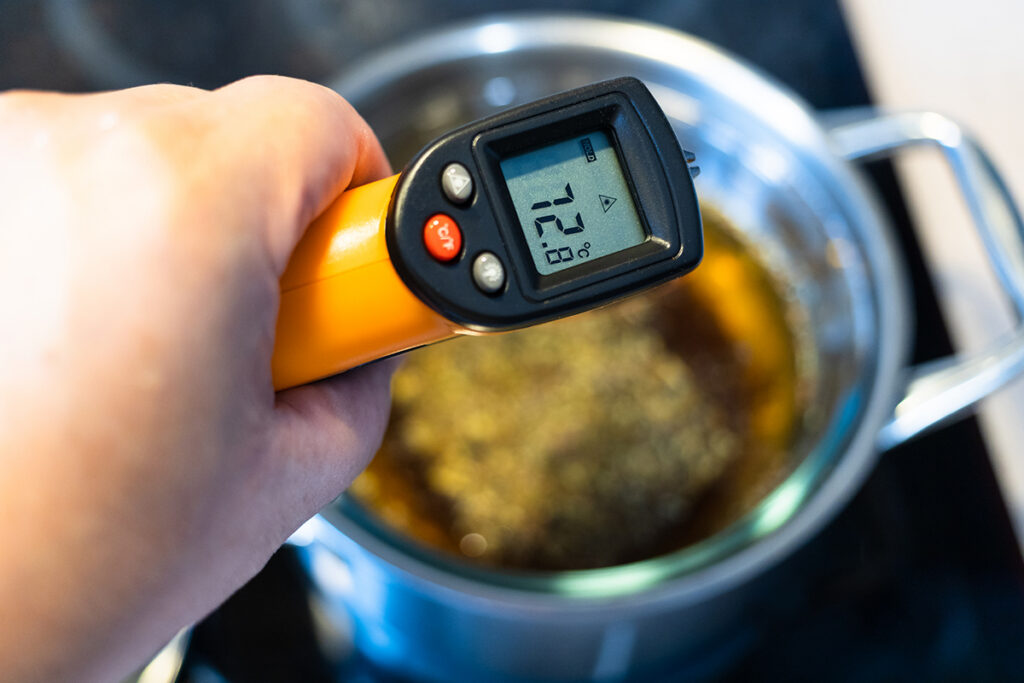
Continuous temperature monitoring catches problems faster than manual checks. They can log fridge, freezer, hot-hold, and transport temperatures automatically, then alert staff if readings drift out of range. More details here: https://squizify.com/what-we-do/food-safety-management/
That helps prevent silent failures like a walk-in door left ajar overnight. It also builds an audit-ready record that is harder to falsify and easier to review.
Why do documented cleaning and sanitation systems matter more than deep cleans?
A sanitation program works when it is specific, scheduled, and verified. They should use written SSOPs, checklists by area, chemical labels, contact times, and simple verification like ATP swabs when needed.
Deep cleans help, but they do not replace daily controls. Inspectors and customers care most about whether cleaning is consistent, not whether it is occasional and dramatic.
How do allergen management processes reduce the most severe customer risks?
Allergen controls prevent the highest-impact failures because reactions can be immediate and severe. They should standardize allergen matrices, label control, dedicated utensils where required, and clear procedures for substitutions and specials.
Front-of-house and production teams also need one shared script and escalation path. The goal is to remove guesswork when a customer asks, “Is this safe for them?”
What role does staff training and competency tracking play in compliance?
Training reduces risk only if it is retained and applied. They benefit from short, role-based modules, quick refreshers, and competency checks tied to real tasks like probe calibration or allergen handoffs.
Tracking matters because audits often ask for proof. A simple training log with dates, topics, and sign-offs can close gaps that otherwise show up as “lack of control.”
How do supplier approval and incoming goods checks protect the whole operation?
A strong operation can still fail if inputs are unsafe. They should approve suppliers with clear specs, require key documentation, and verify deliveries with temperature checks, packaging inspections, and shelf-life controls. Click here to explore how supplier approval and inbound inspection controls prevent contamination and reduce recall risk.
Why are traceability and recall readiness non-negotiable?
Traceability reduces damage when something goes wrong. They should be able to identify what was received, where it went, and who it reached, ideally within hours.
Recall readiness also means practicing. A short mock recall a few times a year often exposes gaps in labeling, batch coding, or recordkeeping before a real event forces the issue.
What should they prioritize first if they can only implement a few solutions?
They should start with HACCP, temperature control, and sanitation verification because those address the most common causes of outbreaks. Next, they should add allergen controls and supplier checks to reduce severe customer harm and input risk. Click here to explore freezer temperature monitoring system features for practical food safety implementation and control design.
If documentation is weak, digital logs and traceability should follow. The best solution set is the one they can run every day, even on their busiest shift.
FAQs (Frequently Asked Questions)
What is the purpose of a HACCP plan in food safety management?
A HACCP plan creates a clear, defensible way to control the highest risks in each process by defining critical control points, limits, monitoring steps, corrective actions, and verification. It transforms food safety from a ‘best effort’ approach into a repeatable routine that holds up during audits and staff turnover.
How do digital temperature monitoring systems help prevent food safety incidents?
Digital temperature monitoring provides continuous tracking of fridge, freezer, hot-hold, and transport temperatures automatically. These systems alert staff if readings drift out of range, preventing silent failures like an ajar walk-in door overnight. They also create audit-ready records that are harder to falsify and easier to review.
Why are documented cleaning and sanitation systems more effective than occasional deep cleans?
Documented sanitation programs that are specific, scheduled, and verified using written SSOPs, area checklists, chemical labels, contact times, and verification methods like ATP swabs ensure consistent daily cleaning controls. Inspectors and customers value consistent cleaning over occasional deep cleans for maintaining ongoing food safety.
How do allergen management processes reduce severe risks to customers?
Allergen controls standardize allergen matrices, label control, use dedicated utensils where required, and establish clear procedures for substitutions and specials. Having a shared script and escalation path between front-of-house and production teams removes guesswork when customers inquire about allergen safety, preventing immediate and severe reactions.
What role does staff training and competency tracking play in maintaining food safety compliance?
Effective training involves short, role-based modules with quick refreshers and competency checks tied to real tasks such as probe calibration or allergen handoffs. Tracking training through logs with dates, topics, and sign-offs provides proof during audits and helps close gaps that could otherwise appear as ‘lack of control.’
Why are supplier approval and incoming goods checks critical for food safety?
Approving suppliers with clear specifications, requiring key documentation, and verifying deliveries through temperature checks, packaging inspections, and shelf-life controls protect the entire operation from unsafe inputs. This is especially vital for high-risk items like poultry, seafood, dairy, and ready-to-eat products because catching problems at delivery is more cost-effective than dealing with recalls or illnesses later.