

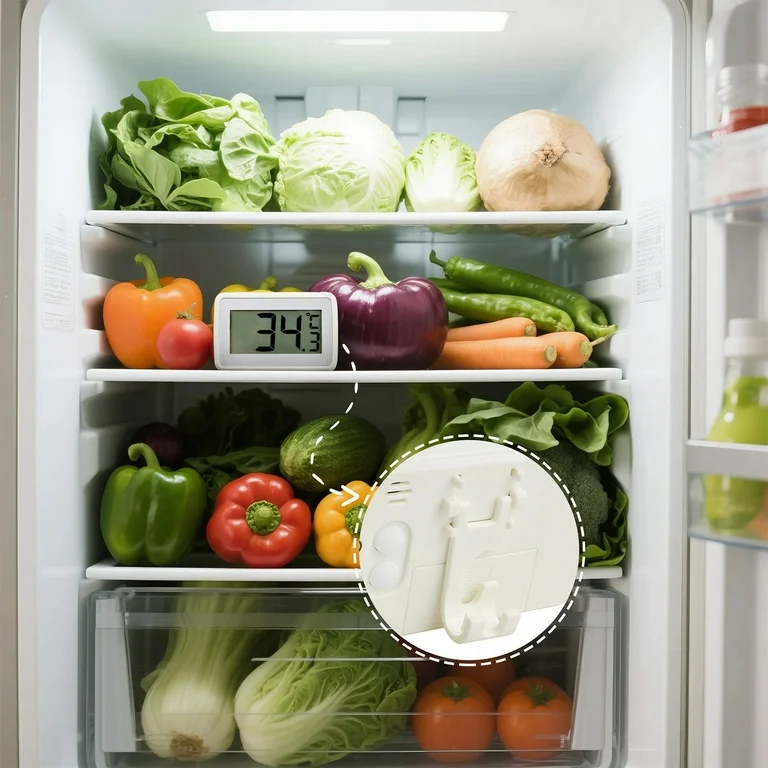
A freezer temperature monitoring system helps teams catch those issues early by tracking temperatures continuously, alerting the right people fast, and keeping clean records for audits and internal reviews. Below are five features that matter most when they are choosing a system.
What does real-time temperature tracking actually do?
It captures freezer temperatures continuously so they can see changes as they happen, not hours later during a manual check. That matters because many losses come from gradual drift rather than a sudden breakdown.
A good system shows live readings, trends over time, and the current status of each unit in one place. They can spot patterns like a freezer that warms slightly every afternoon, which often points to loading habits, airflow issues, or a unit nearing failure.
How do smart alerts prevent product loss?
They notify staff the moment temperatures cross a threshold, which reduces the time between “problem starts” and “someone acts.” That response time is often the difference between saving stock and writing it off.
The best alerts are configurable. They can set warning and critical limits, add delay rules to avoid false alarms during brief door openings, and choose who gets notified. They should also look for escalation, so if the first person does not respond, the system alerts the next contact automatically. This is a core capability of a modern freezer temperature monitoring system for cold storage compliance and risk control.

Why are audit-ready logs and reporting essential?
They provide a reliable record of temperature history, which is critical for compliance, customer requirements, and internal quality controls. Manual logs are easy to miss, misread, or backfill, which creates risk during inspections.
A strong system stores tamper-resistant logs, makes it easy to export reports, and supports annotations. If there was a known event, like maintenance or a power interruption, they can add a note so the temperature graph tells the full story without guesswork later.
How does sensor accuracy and calibration support trust in the data?
It ensures the numbers reflect real conditions inside the freezer, not a best guess. If the sensor is inaccurate, alerts may trigger too late, or staff may waste time responding to false alarms.
They should look for sensors rated for low temperatures, stable readings, and clear calibration support. Some systems provide calibration reminders, certificates, or guided workflows. Placement guidance also matters, because a sensor near a fan or door can misrepresent the temperature of stored goods. These factors are critical in maintaining compliance accuracy—learn more about temperature monitoring calibration and sensor placement best practices.
What makes a monitoring system reliable during power or internet outages?
It keeps collecting data and preserves proof, even when the network drops or the power flickers. Outages are exactly when temperature risk increases, so gaps in monitoring defeat the purpose.
They should prefer systems with local buffering, battery backup options, and automatic data sync once connectivity returns. It also helps if the platform shows “last check-in” timestamps per device, so staff can confirm sensors are alive and not silently offline.
How should they choose based on these five features?
They should start with their risk profile, then match features to how they operate day to day. A small clinic with high-value inventory may prioritize fast escalation alerts and audit logs, while a multi-site operation may care most about reliability, reporting, and fleet-wide visibility.
If they are comparing vendors, they can ask for a short trial, then test the essentials: alert speed, report exports, sensor stability, and what happens when they unplug the router. The right freezer temperature monitoring system should make problems obvious early, not explain them after the loss. This is typically assessed through a food safety solutions comparison guide—learn more about structured testing and vendor selection criteria.

FAQs (Frequently Asked Questions)
What is the importance of real-time temperature tracking in freezer monitoring?
Real-time temperature tracking continuously captures freezer temperatures, allowing teams to see changes as they happen rather than hours later during manual checks. This is crucial because many product losses stem from gradual temperature drift instead of sudden breakdowns. A good system displays live readings, trends over time, and current status in one place, helping identify patterns like daily warming that may indicate loading habits or equipment issues.
How do smart alerts help prevent product loss in freezer monitoring systems?
Smart alerts notify staff immediately when temperatures cross predefined thresholds, minimizing the time between the start of a problem and corrective action. Configurable alerts allow setting warning and critical limits, delay rules to avoid false alarms during brief door openings, and designate notification recipients. Escalation features ensure that if the first responder doesn’t act, notifications automatically alert the next contact, enhancing response effectiveness.
Why are audit-ready logs and reporting essential for freezer temperature monitoring?
Audit-ready logs provide reliable, tamper-resistant records of temperature history critical for compliance, customer requirements, and internal quality control. Unlike manual logs that can be missed or altered, digital logs support easy report exports and annotations for events like maintenance or power interruptions. This comprehensive documentation ensures transparency and reduces risk during inspections or audits.
How does sensor accuracy and calibration affect trust in freezer monitoring data?
Accurate sensors ensure that temperature readings truly reflect conditions inside the freezer rather than estimates. Inaccurate sensors can delay alerts or cause false alarms, leading to product loss or wasted staff time. Effective systems use sensors rated for low temperatures with stable readings and provide calibration reminders, certificates, or guided workflows. Proper sensor placement is also vital to avoid misleading data caused by proximity to fans or doors.
What features make a freezer temperature monitoring system reliable during power or internet outages?
Reliable systems continue collecting data and preserve proof even when network connectivity drops or power flickers—times when temperature risks increase most. Features like local buffering, battery backup options, and automatic data synchronization upon connectivity restoration are key. Additionally, platforms displaying ‘last check-in’ timestamps per device help staff verify sensors are active and not silently offline.
How should organizations choose a freezer temperature monitoring system based on key features?
Organizations should assess their risk profile and daily operations to prioritize features accordingly. For example, a small clinic with high-value inventory might focus on fast escalation alerts and audit logs, while multi-site operations may value reliability, comprehensive reporting, and fleet-wide visibility more. When comparing vendors, requesting trials to test alert speed, report exports, sensor stability, and system behavior during network disruptions helps identify the best fit that detects problems early rather than explaining losses after they occur.