
How Does Traceability Software Help Food Safety Teams Track Contamination Risks in Seconds?
Traceability software is changing the way food safety teams manage contamination risks. Instead of spending days trying to find potential hazards, they can now do it in seconds. This means that contaminated products can be stopped before they reach consumers.
The Role of Modern Traceability Software
Traceability software food safety functions as a digital nervous system for modern food businesses, delivering end-to-end visibility across critical operational touchpoints. It continuously monitors and connects key data streams such as:
- Environmental conditions (temperature, humidity, etc.)
- Product movement (where the food is at any given time)
- Critical control points (important stages in the food production process)
When something goes wrong—like a temperature spike or a hygiene issue—the software sends out automated alerts to the food safety teams.
How Traceability Software Works
The technology behind traceability software connects different pieces of information throughout the entire food supply chain. This includes:
- Raw material sourcing
- Processing
- Packaging
- Distribution
By linking these various stages together, the software can do some pretty impressive things:
- Real-time hazard identification: The software constantly monitors environmental conditions to spot potential risks right away.
- Rapid source tracing: If a problem does occur, the software uses digital records and batch tracking to quickly figure out where it came from.
- Instant recall precision: In the event of a contamination issue, the software allows for precise recalls so that only affected products are pulled from shelves.
- Regulatory compliance documentation: The software automatically generates documents needed for regulatory compliance, saving time and effort.
Why Speed Matters
The speed at which food safety teams can respond to contamination risks is crucial. Traditional methods that rely on manual tracking can take hours or even days to pinpoint where a problem originated from. But with digital traceability systems in place, answers can be found within seconds.
This quick response not only protects consumer health but also helps maintain brand reputation—something that’s increasingly important in today’s world where information spreads rapidly through social media and online reviews.
What Is Traceability Software and How Does It Support Food Safety Teams?
Traceability software is a digital system that records, monitors, and tracks food products throughout the entire supply chain, creating a comprehensive data trail from raw material sourcing to final consumer delivery. This contamination tracking technology captures critical information at each production stage, including supplier details, processing conditions, storage temperatures, and distribution pathways.
The software serves as a centralized hub where food safety teams access real-time data about product movements, environmental conditions, and potential hazard indicators. By digitizing traditionally manual processes, these systems eliminate paperwork delays and human error that could compromise contamination risk detection.
Core Support Functions for Food Safety Operations
Traceability software integrates directly with existing food safety protocols through multiple touchpoints:
1. Data Capture and Storage
The software automatically logs temperature readings from cold storage units, records sanitation schedules and completion verification, documents supplier certifications and audit results, and captures batch information during processing stages.
2. Risk Monitoring Capabilities
The software continuously analyzes incoming data against predetermined safety thresholds. When environmental sensors detect temperature fluctuations in refrigeration units or humidity levels exceed acceptable ranges, the system flags these deviations instantly. Food safety teams receive immediate notifications, enabling rapid investigation before contamination spreads.
3. Integration with Quality Control Systems
Traceability platforms connect with laboratory information management systems (LIMS), pulling pathogen test results and allergen screening data into a unified dashboard. This integration allows safety managers to correlate positive contamination findings with specific production batches, equipment lines, or ingredient lots within seconds rather than hours.
The software also maintains audit-ready documentation automatically. Every data point, corrective action, and verification step gets timestamped and stored in tamper-proof records, providing food safety teams with instant access to compliance evidence during regulatory inspections or internal audits.
How Does Traceability Software Integrate with Environmental Monitoring Programs for Effective Contamination Risk Identification?
Traceability software connects directly with environmental monitoring programs to create a unified system for detecting contamination threats before they compromise food safety. Environmental monitoring programs systematically test production facilities for pathogens, allergens, and other hazards through surface swabs, air sampling, and water quality checks at critical control points.
Transforming Raw Testing Data into Actionable Intelligence
Environmental monitoring integration transforms raw testing data into actionable intelligence. The software automatically captures results from ATP meters, microbial tests, and temperature sensors deployed throughout processing areas. This hygiene data automation eliminates manual logging errors and ensures every environmental reading feeds into a centralized database for immediate analysis.
How the Integration Works
The integration operates through several mechanisms:
- Automated sensor connectivity: pulls data from IoT-enabled monitoring devices stationed in production zones, cold storage, and packaging areas
- Digital test result uploads: allow lab technicians to input pathogen screening results directly into the traceability platform
- Continuous environmental tracking: records temperature, humidity, and sanitation metrics at predetermined intervals
Proactive Contamination Risk Identification
Contamination risk identification becomes proactive rather than reactive. The software analyzes patterns across environmental data points, identifying trends that might signal emerging contamination risks. A gradual increase in microbial counts across multiple sampling sites could indicate equipment deterioration or sanitation protocol failures—issues the system highlights before contamination occurs.
This integration creates an early warning network where environmental data and product traceability information work together, allowing safety teams to intervene within minutes rather than discovering problems during routine audits or after consumer complaints.
How Does Traceability Software Help Track Food Products Throughout the Supply Chain?
Traceability software creates a seamless digital connection between every stage of the food supply chain, starting from farms and ending at consumers’ plates. This farm to fork traceability system records important events such as harvesting, processing, packaging, distribution, and retail for each batch of products, creating a detailed history of their journey.
How Does Traceability Software Work?
The tracking system relies on unique identifiers assigned to products right from their source. Here’s how it works:
- Harvesting: When a farmer harvests crops, the system captures information such as the date, location, and batch details.
- Processing: As products go through processing facilities, each change in state (e.g., cutting, cooking) gets recorded with timestamps, facility IDs, and handling specifics.
- Distribution: Distribution centers log temperature conditions (to ensure freshness), storage durations (how long products stay in one place), and shipping routes (the path taken to reach retailers).
- Retail: Retailers scan items upon receiving them, completing the visibility loop.
What Data Does Traceability Software Capture?
At each stage of the supply chain, several key data elements are captured:
- Batch codes: These codes link products to specific production runs and raw material sources.
- QR codes: These codes enable instant mobile scanning for detailed product histories.
- RFID tags: These tags provide automated, contactless tracking through warehouses and transport environments.
- Temperature logs: These logs document cold chain integrity throughout transit.
- Supplier information: This information connects ingredients to their certified sources.
How Does Traceability Software Improve Food Safety Response?
This detailed tracking system significantly changes how food safety teams react to potential contamination incidents. Here’s how:
- When a pathogen test returns positive results (indicating contamination), teams can quickly access the traceability software to identify which farms supplied the affected ingredients.
- The software also reveals which production lines processed those ingredients and which retail locations received the final products.
- By cross-referencing multiple data points simultaneously—something manual record-keeping cannot do as quickly—the software enables faster decision-making.
Eliminating Guesswork in Outbreak Investigations
The digital trail created by traceability software is crucial for food safety teams investigating contamination risks. Here’s why:
- It eliminates guesswork that has historically complicated outbreak investigations.
- Each scan (of QR codes or RFID tags), sensor reading (temperature logs), and data entry contributes to a clear map of product movement.
- This evidence-based approach allows precise identification of contaminated batches while protecting unaffected inventory from unnecessary recalls.
With traceability software in place, food safety teams can track contamination risks in seconds instead of days or weeks—leading to quicker responses and better protection for consumers.
How Does This Technology Help Pinpoint Contamination Sources Quickly?
Identifying Contamination Origins in Real-Time
Traceability software identifies contamination origins by cross-referencing multiple data points across the supply chain in real-time. When a contamination event occurs, the system immediately analyzes batch numbers, timestamps, facility locations, and environmental monitoring data to trace the problem back to its source. This contamination source identification process uses sophisticated algorithms that map product movement patterns and correlate them with environmental conditions at each production stage.
Creating a Digital Audit Trail
The software creates a digital audit trail linking every ingredient, processing step, and distribution point. If listeria appears in finished products, the system can instantly query which raw materials, equipment lines, and storage facilities came into contact with affected batches. This rapid risk tracking capability reduces investigation time from days or weeks to mere minutes.
Speed Advantages Over Manual Methods
Manual contamination tracking requires physical document review, phone calls to suppliers, and spreadsheet analysis—processes that can take 48-72 hours. Automated traceability systems deliver real-time insights within seconds by:
- Scanning historical records across multiple facilities simultaneously
- Identifying common denominators between contaminated batches automatically
- Generating visual maps showing product flow and potential exposure points
- Alerting relevant teams the moment contamination indicators appear
A 2022 outbreak investigation demonstrated this speed advantage when a dairy processor detected Salmonella in cheese samples. Their traceability software pinpointed the contaminated milk supplier within 90 seconds, preventing distribution of 15,000 potentially affected units. Manual methods would have required days of investigation, allowing contaminated products to reach retail shelves.
Comprehensive Contamination Profile Analysis
The system’s ability to analyze environmental monitoring data alongside product tracking creates a comprehensive contamination profile. Temperature deviations, sanitation lapses, and equipment malfunctions are automatically correlated with product batches, revealing contamination pathways that manual reviews might miss.
What Are the Regulatory Compliance Benefits of Using Traceability Software for Food Safety Teams?
Traceability software transforms regulatory compliance from a manual burden into an automated process that maintains continuous adherence to food safety regulations. The technology generates comprehensive audit trails that document every critical control point, temperature reading, and handling procedure required under HACCP compliance frameworks.
1. Automated Documentation and Record-Keeping
Digital systems eliminate gaps in compliance documentation by capturing data at every stage without human intervention. Each entry receives a timestamp and user attribution, creating an unalterable record that satisfies regulatory inspections. When auditors request evidence of proper procedures, food safety teams can retrieve years of detailed records within seconds rather than searching through filing cabinets or spreadsheets.
2. Real-Time Regulatory Alerts
The software monitors operations against predetermined safety thresholds established by regulatory standards adherence requirements. When parameters drift outside acceptable ranges—such as storage temperatures exceeding safe limits—the system immediately notifies designated personnel. This instant notification prevents minor deviations from becoming reportable violations that could trigger enforcement actions.
3. Standardized Compliance Protocols
Traceability platforms enforce consistent application of HACCP principles across multiple facilities and shifts. Built-in checklists and workflows ensure staff complete required verification steps in the correct sequence. The system prevents users from skipping mandatory fields or procedures, reducing the risk of non-compliance due to human error or training gaps.
4. Simplified Regulatory Reporting
Generating compliance reports for regulatory agencies becomes a streamlined process. The software compiles required data elements into standardized formats that align with submission requirements from agencies like the FDA or USDA. Food safety teams can demonstrate due diligence through comprehensive documentation showing proactive monitoring and rapid corrective actions.
5. Verification of Supplier Compliance
The technology extends compliance verification throughout the supply chain by tracking certificates of analysis, supplier audit results, and ingredient specifications. This creates a documented chain of custody proving that every component meets regulatory standards before entering production.
How Food Safety Teams Use Traceability Software to Prevent Recalls and Protect Consumer Health
Preventing Recalls with Early Detection
Traceability software is changing the way food safety teams prevent recalls by helping them find potential contamination risks before products leave the facility. Here’s how it works:
- Environmental monitoring systems, such as those used to check for pathogens or monitor temperature, send automated alerts to food safety teams when they detect something unusual.
- This allows the teams to take immediate action and fix the problem before any contaminated products can be shipped out.
By catching issues early on, traceability software helps stop contaminated batches from making their way into distribution channels and protects consumers from being exposed to unsafe products.
Responding Quickly During Contamination Events
When contamination events occur, time is of the essence. Traditional methods of tracking affected products through supply chains can take hours or even days. But with traceability software, food safety teams can get instant visibility into the situation.
Here’s how it benefits them:
- Speedy Identification: When a potential problem arises, teams can quickly identify every batch that may be affected, where it is currently located, and all the places it has been sent to.
- Targeted Interventions: Instead of having to recall all products from a specific production lot, teams can now focus on only those batches that are truly at risk. This means less waste and more efficient use of resources.
For example, if a meat processing facility discovers a contamination issue in one of its production lots, it can use traceability software to immediately find out which distribution centers and retail locations received those specific lots. This way, they can take targeted action instead of having to recall all products from that facility.
Protecting Consumer Health with Precision
The accuracy provided by traceability software directly benefits consumer health protection measures. Here’s how:
- Narrow Recalls: By being able to pinpoint exactly which products are affected, food safety teams can conduct narrow recalls instead of broad ones. This means only the genuinely impacted items will be removed from store shelves, reducing unnecessary waste while still ensuring that any potential hazards are completely eliminated.
- Audit Trail: The software keeps detailed records of where ingredients come from, how they were processed, and how they were distributed. This creates an audit trail that shows regulatory authorities and concerned consumers that due diligence has been exercised.
Reducing Risks for Businesses
The financial impact of recalls can be significant for businesses. A single widespread recall may cost millions of dollars in direct expenses and damage the brand’s reputation for years to come.
Traceability software helps reduce these risks in several ways:
- Precise Product Identification: By accurately identifying which products are affected by a recall, businesses can limit its scope and avoid unnecessary losses.
- Faster Notifications: The software enables quicker communication with retailers and consumers about any potential issues, allowing them to take appropriate actions promptly.
- Documenting Response Actions: Regulatory authorities often require proof of how businesses responded to contamination events. Traceability software provides documentation that demonstrates swift response actions taken by the company.
- Maintaining Trust: Transparent communication is key in maintaining consumer trust during crises. By using traceability software to openly share information about recalls or potential hazards, businesses can reassure customers that their health and safety are top priorities.
Shifting Towards Proactive Risk Management
Traditionally, food safety teams have relied on reactive crisis management strategies when dealing with contamination events. However, with the help of traceability software’s real-time tracking capabilities, they now have an opportunity to shift towards proactive risk mitigation approaches.
Instead of waiting for problems to arise before taking action (such as issuing recalls), teams can use data insights from the software to identify potential risks earlier on and implement preventive measures accordingly.
This fundamental shift in mindset—moving away from solely reacting after incidents occur—has the potential not only improve consumer protection but also reshape how entire industries approach food safety practices overall.
What Technologies Ensure Data Integrity Within Traceability Systems Used by Food Safety Teams?
Data integrity depends on immutable record-keeping systems that prevent unauthorized alterations to critical food safety information. Blockchain-style architectures create tamper-proof audit trails by storing each transaction or data entry as a permanent, time-stamped block linked to previous entries, making retrospective changes immediately detectable.
How Blockchain Works in Food Safety Applications
Blockchain in food safety applications operates through distributed ledger technology where multiple parties across the supply chain maintain synchronized copies of the same records. When a food safety team logs an environmental monitoring result or records a temperature reading, the system validates and encrypts this data before adding it to the chain. Each subsequent entry references the previous one, creating an unbreakable sequence that auditors can verify at any point.
The Role of Cryptographic Hashing in Ensuring Data Integrity
The cryptographic hashing used in these systems generates unique digital fingerprints for each data entry. If someone attempts to modify a past record—such as changing a failed pathogen test to a passing result—the hash value changes, immediately flagging the tampering attempt. This mechanism proves particularly valuable during regulatory audits or contamination investigations where establishing the authenticity of historical data becomes critical.
Additional Security Measures in Traceability Systems
Beyond blockchain, traceability systems employ additional security measures:
- Digital signatures that authenticate the identity of personnel entering data
- Access controls limiting who can view or modify specific information types
- Automated timestamps recording exactly when each action occurred
- Encrypted data transmission protecting information as it moves between systems
These technologies work together to create a verification framework where every piece of contamination risk data—from raw material testing to finished product distribution—maintains its integrity throughout its lifecycle. Food safety teams gain confidence that their decision-making relies on accurate, unaltered information that will withstand scrutiny during investigations or compliance reviews.
How Does Real-Time Data Enhance Decision-Making Processes for Food Safety Teams Using Traceability Software?
Real-time data transforms food safety decision-making by delivering instant visibility into potential hazards the moment they occur. Traceability software analyzes environmental conditions, temperature readings, and hygiene metrics continuously, triggering immediate notifications when parameters drift outside acceptable ranges.
Benefits of Real-Time Alerts
The benefits of real-time alerts extend across multiple operational dimensions:
- Food safety managers receive instant notifications about temperature fluctuations in cold storage units, allowing them to intervene before products spoil or become unsafe.
- When environmental monitoring sensors detect elevated bacterial counts in production zones, automated alerts prompt immediate sanitation protocols.
The Importance of Speed in Contamination Events
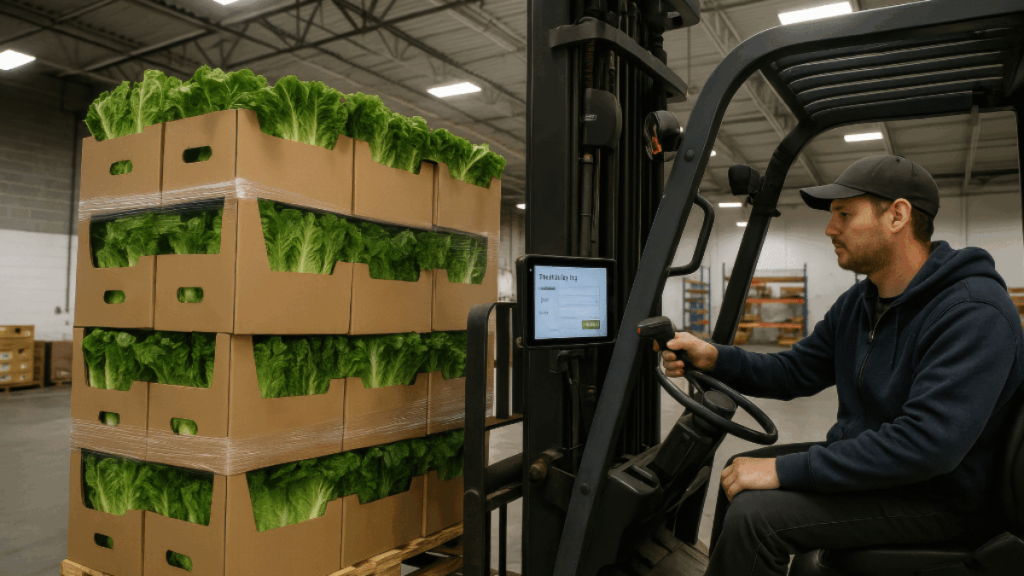
The speed advantage proves critical during contamination events. For example, a facility processing leafy greens can receive alerts within seconds if pathogen levels spike in wash water systems. This immediate awareness enables teams to halt production, isolate affected batches, and prevent contaminated products from advancing through the supply chain.
Eliminating Lag Time with Automated Data Analysis
Automated data analysis eliminates the lag time inherent in manual monitoring systems. Traditional approaches required periodic manual checks and laboratory testing, creating gaps where contamination could spread undetected. In contrast, traceability software processes thousands of data points simultaneously, identifying patterns and anomalies that human reviewers might miss.
Proactive Decision-Making with Real-Time Insights
With access to real-time insights, decision-making becomes proactive rather than reactive. Teams can:
- Adjust production schedules based on real-time equipment performance data
- Reroute shipments when transportation conditions deviate from safety requirements
- Implement targeted interventions at specific production lines showing elevated risk indicators
- Verify corrective actions through continuous monitoring feedback
Creating a Responsive Ecosystem with Sensor Networks
The integration of sensor networks with traceability platforms creates a responsive ecosystem where data flows directly into decision workflows. For instance, when a cold chain break occurs during transit, logistics teams receive immediate alerts with precise location data, enabling rapid response to protect product integrity before spoilage occurs.
Conclusion
Traceability Software Food Safety Teams Use to Track Contamination Risks in Seconds represents a fundamental shift in how the food industry protects public health. These advanced systems deliver measurable traceability benefits summary that extend beyond basic compliance—they create proactive defense mechanisms against contamination threats.
Food safety teams equipped with modern traceability solutions gain unprecedented visibility into their supply chains, transforming reactive crisis management into predictive risk prevention. The technology’s ability to pinpoint contamination sources within seconds, rather than days or weeks, directly translates to fewer foodborne illness cases and protected brand reputations.
The integration of automated monitoring, real-time alerts, and comprehensive data logging creates an ecosystem where operational efficiency and consumer safety work in tandem. Food manufacturers implementing these systems report reduced recall costs, streamlined regulatory audits, and enhanced stakeholder confidence.
As regulatory requirements intensify and consumer expectations for transparency grow, traceability software has evolved from an optional tool to an essential infrastructure component for any organization committed to food safety excellence.
Click here for more Temperature Monitoring Equipment Checklist: What Every Food Business Should Have